Winter cohort · Applications open
ApplyIndex
Next intake
Winter cohorts begin the week of 12 January. Applications close 5 January.
school@example.comSeats in every cohort, so every learner is critiqued every week
12
Portfolio review with an instructor in each course
1:1
A product design school run by working designers. We teach the craft behind the screens, live and in small cohorts.
Product design, taught by people who still do it.

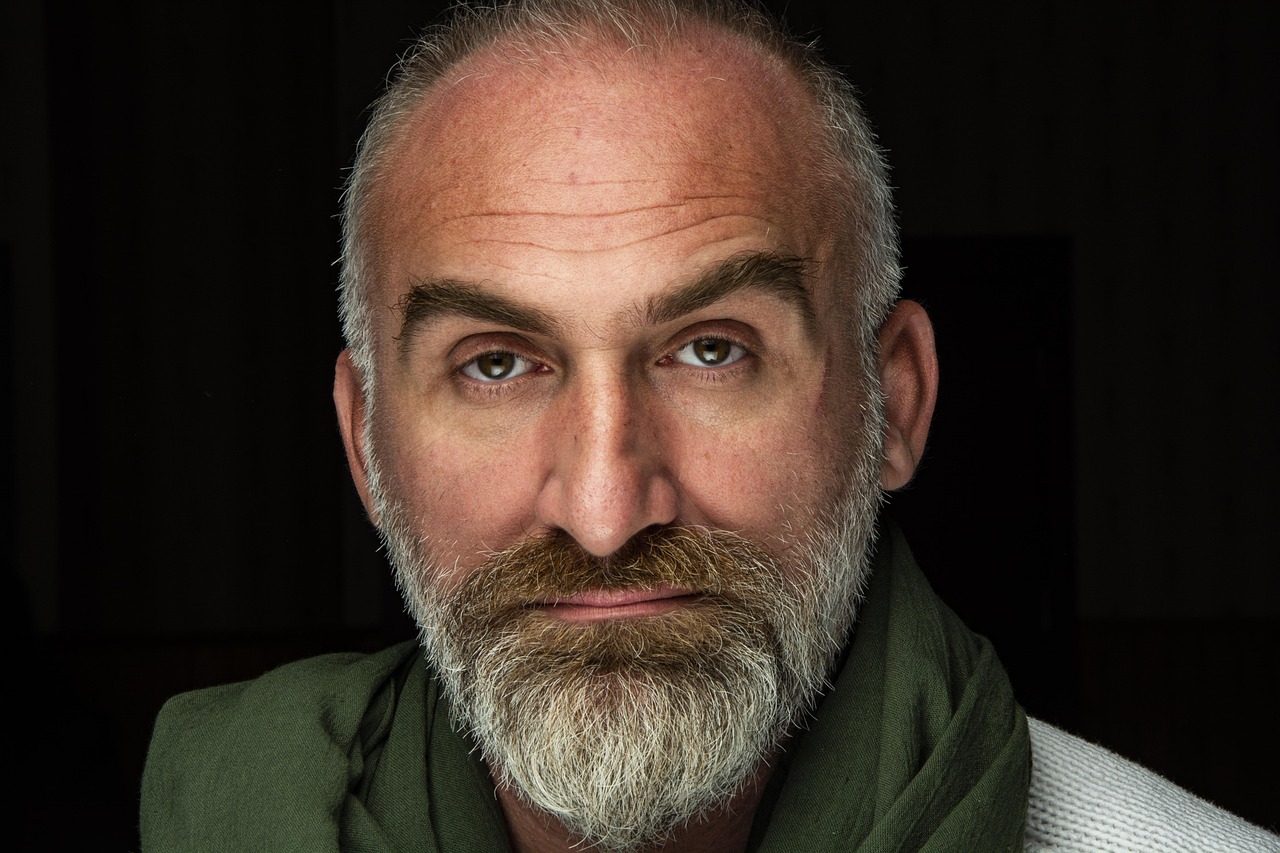
Lead instructor
Product design, fourteen years in practice
A school, not a library of videos.
Groundwork runs three live courses a term. Each one is small, taught by designers who ship products for a living, and built around a single brief you carry from first sketch to final crit.
How we teach01
Taught by people who ship
Every instructor still works on products. Teaching is part of their week, not the whole of it.
02
Twelve seats, no more
A cohort is small enough that your work is on the wall every Thursday, and people learn your name.
03
Critique over lectures
Short talks, long studio time. Most of what you learn comes from showing work and defending it.
04
One brief, all the way
You work one realistic product brief through research, flows, prototype and a written case study.
Pick the course that fits the work you want to do next.
Each course runs live in the evenings with one Saturday studio a week. Schedules, week-by-week syllabi and sample prices are on the courses page.
All syllabi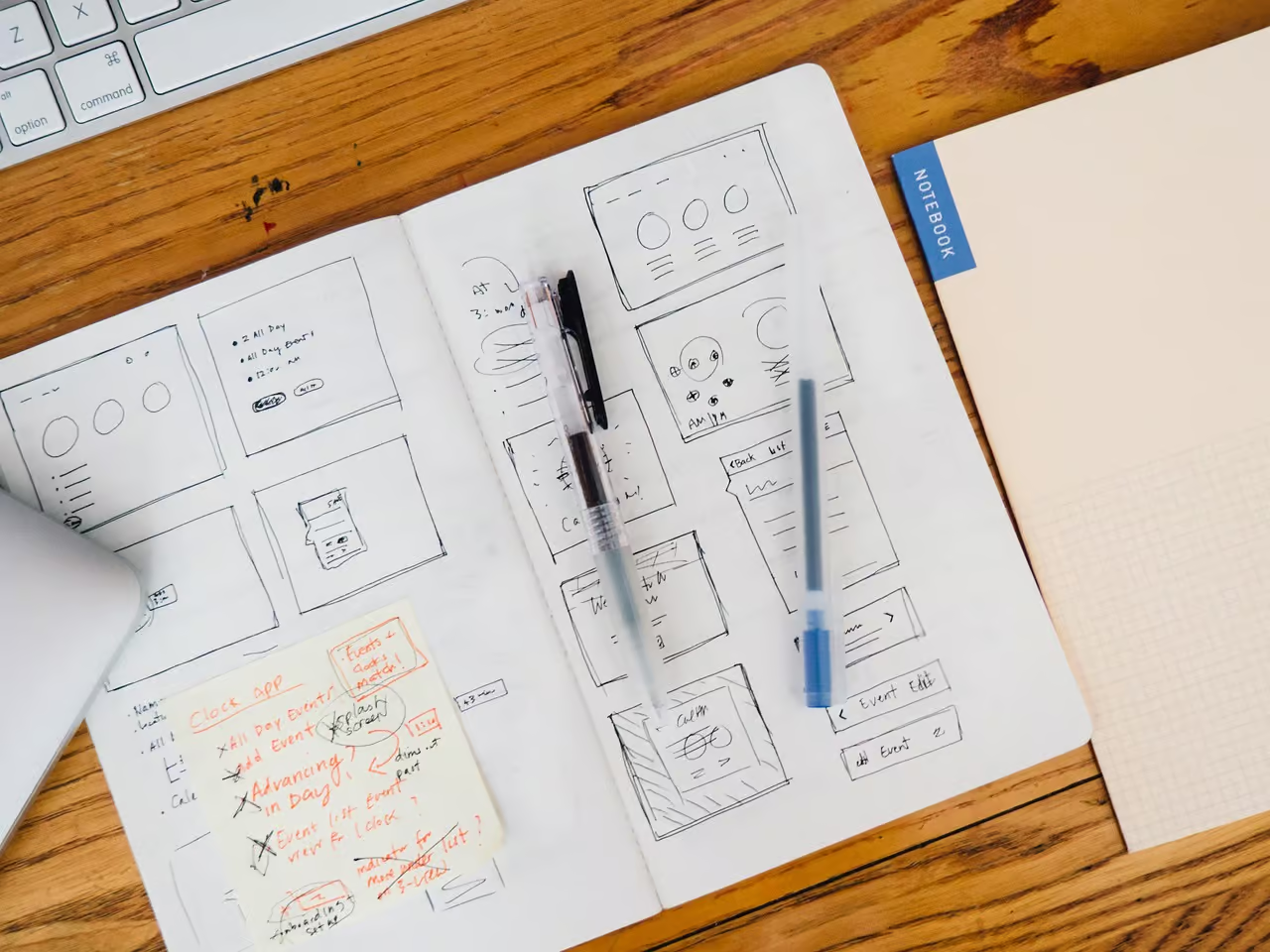



Thursday, 18:30 · Pin-up
Every Thursday, your work goes on the wall.
Crit is the centre of every course. You pin up what you made that week, say what you were trying to do, and the room responds with a simple protocol. Nobody is graded on being right; you are expected to come back with something better.
- I see What the work does, described without judgement
- I wonder Questions about the choices behind it
- What if One concrete alternative worth sketching
- Next The one change you commit to before next week
One week of a cohort. Every week looks like this.
Seven live hours, two short async tasks and a written note from an instructor. Plan on eight to ten hours a week in total, alongside a full-time job.
CET
Mon
Tue
Wed
Thu
Fri
Sat
Morning
Mon · 09:00
Brief drops
The week’s brief and reading land in the cohort room.
Sat · 10:00 to 13:00
Studio
Heads-down making, with instructors at the table.
Midday
Wed · 12:30 to 13:30
Office hours
Optional. Bring a question or a stuck screen.
Fri · by 13:00
Written notes
Instructor feedback on your pin-up, in writing.
Evening
Tue · 18:30 to 20:30
Live session
A short talk, then a guided exercise in pairs.
Wed · your time
Pair review
Thirty minutes with a classmate, booked by you.
Thu · 18:30 to 20:30
Crit
Pin up the week’s work and defend it.
Times shown for the European cohorts. US cohorts run the same week on Eastern evenings.
Four pieces of work, made from one brief.
Not a folder of exercises. By the last week you hold the whole trail of a real product decision, from the first interview to the case study you can walk an interviewer through.

Research notes
Interview guides, raw notes and the three insights you would bet the product on.

Flows and sketches
The paths people take through the product, explored on paper before a single pixel.

A tested prototype
A clickable prototype, put in front of five people and changed by what they did.

A case study
A written story of the decisions, presented to the cohort and reviewed one to one.
Practitioners first, teachers second.
Each course is led by someone who does that job every week. They teach in the evenings and keep their day jobs, which is exactly the point.
Meet all five

Tuition, written plainly.
One price per course, everything included. Pay in full or in instalments, and hold your seat with a deposit while you decide.
Two seats in every cohort are offered at half price to people moving into design from another field. Say so in your application.
Course
Sample price
Product Design Foundations
$2,400
or 3 payments of $820
Interaction and Prototyping
$2,100
or 3 payments of $720
Research for Product Designers
$1,600
or 2 payments of $820
Deposit to hold a seat
$300
counts toward tuition
Every course includes
- Every live session and Saturday studio
- A written note on your work each week
- A one-to-one portfolio review
- Recordings of talks, kept for the term
- The reading list and a starter file kit
- A seat in the alumni crit, twice a year
Who this school is for, and who it is not for.
We would rather you read this now than find out in week three. If you are unsure which side you are on, write to us and an instructor will answer.
A good fit if
- You already make things, in any field, and want a sound process for products
- You can give eight to ten hours a week for the whole course, crits included
- You want honest critique more than a certificate
- You would rather finish one project well than start five
Probably not a fit if
- You want self-paced videos you can watch whenever you like
- You are looking for training in one specific design tool
- You need a guaranteed job at the end; no honest school can promise one
- You cannot make most of the Thursday crits live
Applications for winter close on 5 January.
No portfolio needed for Foundations. Tell us what you make now and what you want to make next.

Step 01 · 15 minutes
A short written application
Five questions about your work and what you hope to change. No essays.
Step 02 · within 5 days
A twenty-minute call
With the instructor who leads your course, to check the fit both ways.
Step 03 · two weeks before
Pre-work and your seat
Pay the deposit, meet your cohort online and start a light reading week.